Specified Skilled Worker (SSW) Program
What is SSW?
The SSW (Specified Skilled Worker) status of residence allows qualified foreign nationals to work in designated Japanese industries after passing both the industry skill tests and a Japanese language test—unless already exempt through successful completion of Technical Intern Training (ii). Introduced under the 2019 Act on Amending the Immigration Control and Refugee Recognition Act, the program addresses labor shortages and enables small and medium-sized companies in Japan to hire skilled foreign workers
Who Can Apply – Core Eligibility
Age: 18 years or older. While there is no official upper limit, most employers prefer candidates aged 18–40, depending on the sector.
Education: Minimum requirement is 12th grade (10+2) or diploma.
Skills: Pass the sector-specific skill test or have completed TITP in the same sector.
Language: Pass JLPT N4, or JFT-Basic A2, depending on sector requirements.
Health & Conduct:Must be medically fit, free of infectious diseases, and compliant with SSW regulations (no visible tattoos).
Education: Minimum requirement is 12th grade (10+2) or diploma.
Skills: Pass the sector-specific skill test or have completed TITP in the same sector.
Language: Pass JLPT N4, or JFT-Basic A2, depending on sector requirements.
Health & Conduct:Must be medically fit, free of infectious diseases, and compliant with SSW regulations (no visible tattoos).
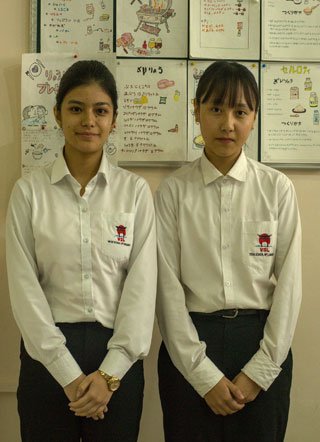
Under the MoC signed in January 2021, Indian skilled youth benefit from structured training, skill assessment, and placement pathways aligned with the SSW framework.
Industries Covered
SSW targets the following fields
- Nursing Care
- Building Cleaning Management
- Manufacture of Industrial Products
- Construction Industry
- Shipbuilding and Ship Machinery Industry
- Automobile Repair and Maintenance
- Aviation Industry
- Accommodation Industry
- Agriculture
- Fishery and Aquaculture Industries
- Manufacture of Food and Beverages
- Food Service Industry
- Automobile TransportationTransportation Business
- Railway
- Forestry
- Wood Industry

Each sector has specific skill tests and job categories. VSL helps you select the sector that best matches your skills and career goals.
Key Differences Between
SSW-1 and SSW-2
Required Documents
- Valid passport & visa application form
- Certificate of Eligibility (COE) issued by Japanese employer
- Employment contract
- Medical examination report
- Language & skill test results or proof of TITP completion
What VSL Provides?
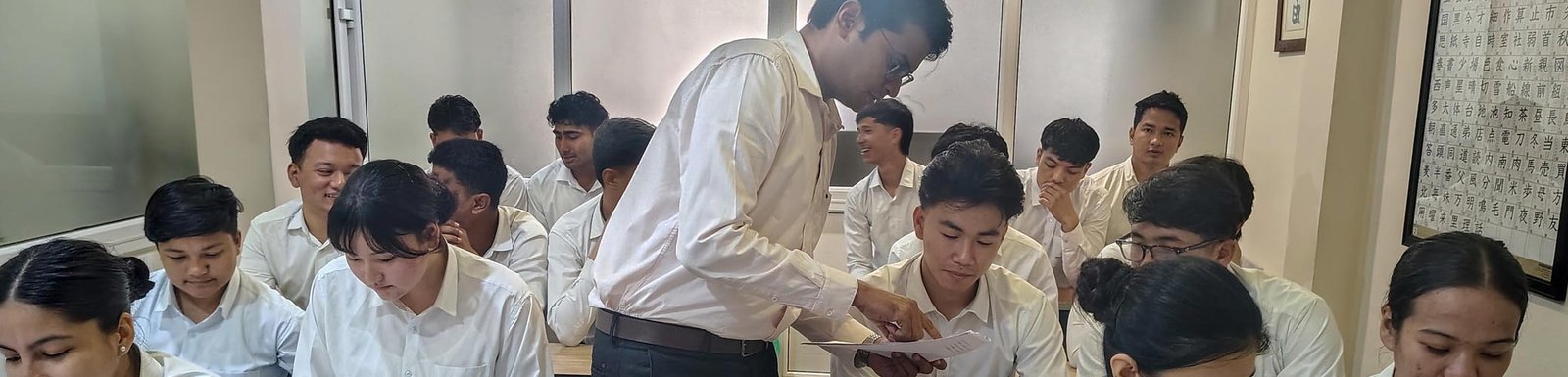
- Targeted language training mapped to JLPT N4 / JFT-Basic A2 benchmarks
- Sector-specific vocabulary and roleplays for hospitality, manufacturing, care, food services, and more
- Mock tests & exam strategies to maximize language scores
- Interview & workplace simulation — realistic hiring interviews and on-the-job scenarios
- Pre-departure orientation covering social norms, workplace rules, and daily life in Japan
Step-by-Step Journey to Japan (SSW-1)
- Enrol in the Japanese language program
- Pass sector-specific skill and language exams
- Attend interview
- Clear medical tests
- Apply for Certificate of Eligibility (COE)
- Complete visa process & pre-departure orientation
- Begin working in Japan under SSW-1
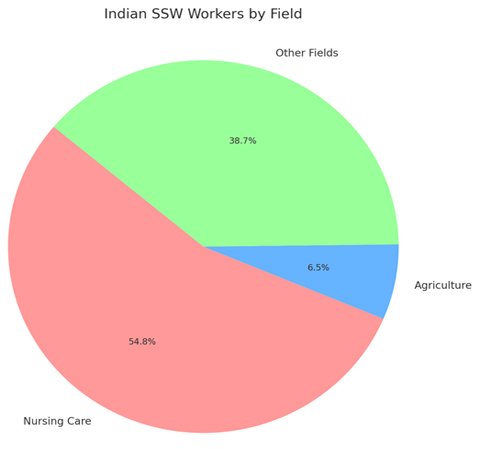
How to Qualify for SSW-1
- A. By Examination:
- Pass sector-specific skill test
- Pass Japanese language test (JLPT N4 / JFT-Basic A2)
- B. By Technical Intern Training (TITP):
- Trainees who complete TITP can transition to SSW in the same sector without re-testing
- Changing sectors requires clearing the skill test again
- Why Indian Youth Should Apply
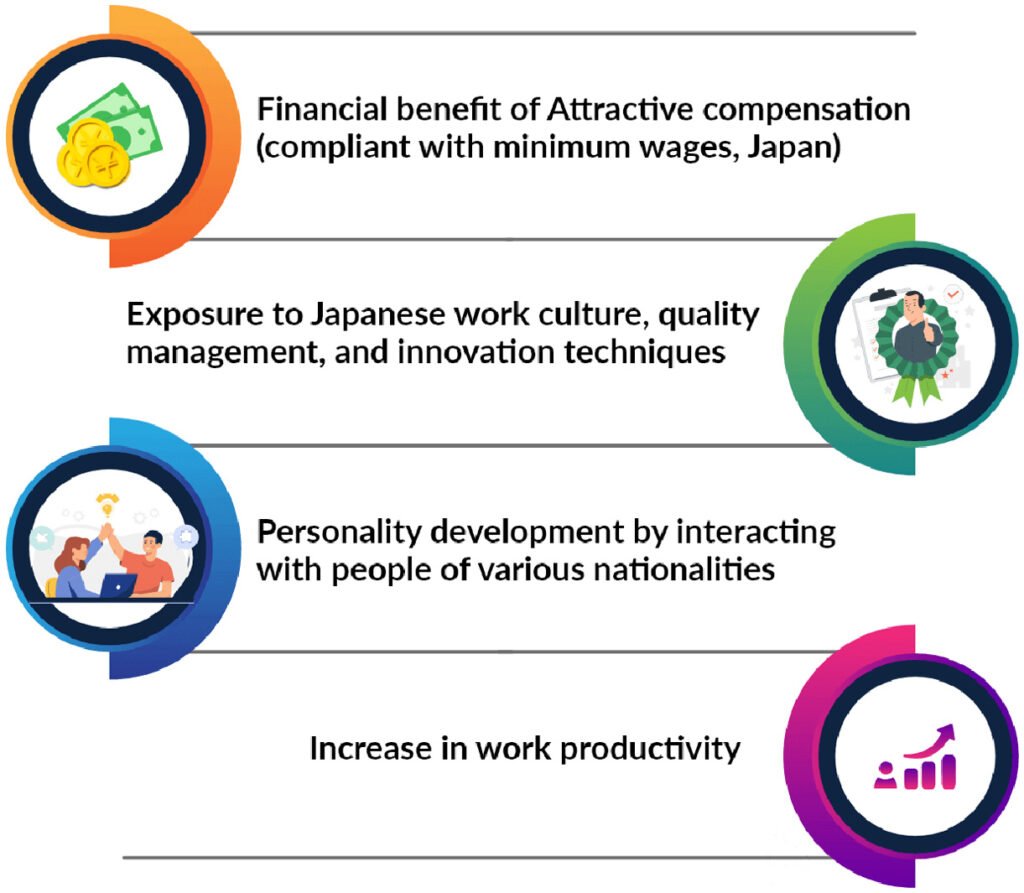
- Global Exposure: Gain international experience in one of the world’s top economies
- Skill Development: Advance technical and Japanese language skills
- Career Growth: Pathway to SSW-2 or long-term visas
- Attractive Salary: Compliant with Japan’s minimum wage regulations
- Cultural Exchange: Experience Japan’s clean, disciplined, and respectful culture