


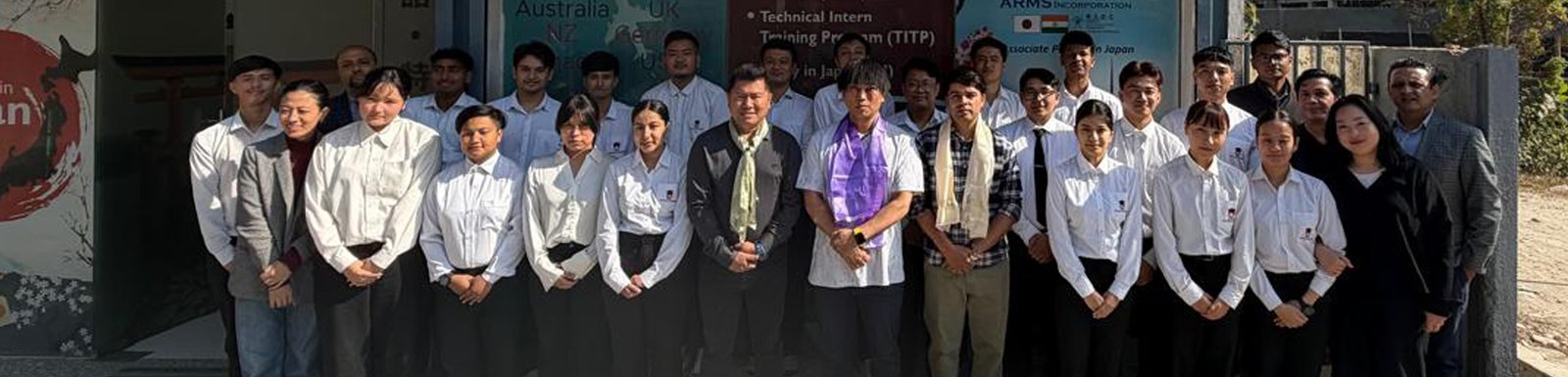
Technical Intern Training Program (TITP)
The Technical Intern Training Program (TITP) is a Japanese government-backed vocational initiative designed to provide hands-on skill training to young professionals from developing countries. Launched in 1993 under the Japan International Training Cooperation Organization (JITCO), the program aims to transfer advanced technical knowledge, support economic growth, and strengthen international cooperation.
In 2017, the program was restructured under the Organization for Technical Intern Training (OTIT), a legal entity approved by Japan’s Ministry of Justice and Ministry of Health, Labour, and Welfare. OTIT ensures proper training, protection of interns, and compliance with labor and visa regulations.
Historical Timeline
- 1960s: Japanese companies initiate overseas training programs
- 1990: Supervised international trainees implemented
- 1993: TITP officially established
- 2010: Introduction of new residence status for technical interns
- 2017: OTIT founded; TITP reformed to enhance protection and compliance
- 2024: More than 1,300 Indian Interns were sent to Japan through the TITP program
Link: https://www.otit.go.jp/, https://gsp.cgdev.org/legalpathway/technical-intern-training-program-titp/
TITP Updates
SSW targets the following fields
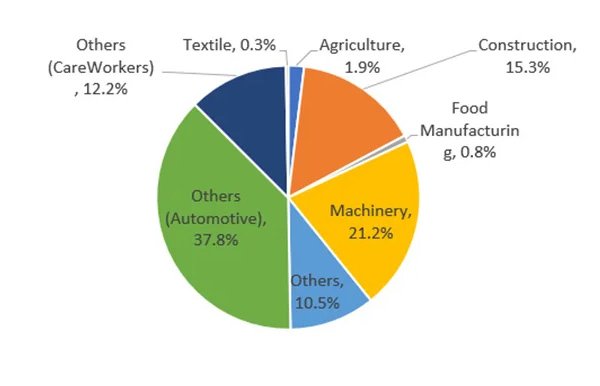
TITP Update of Indian Interns sent to Japan in different sectors as of March 2024.
Program Objectives
- Address labour shortages in Japanese industries due to an aging population
- Facilitate international skill transfer for sustainable human resource development
- Promote global cooperation by training youth from developing countries
- Enable career development and international exposure for participants
Each sector has specific skill tests and job categories. VSL helps you select the sector that best matches your skills and career goals.
India–Japan Collaboration
India signed a Memorandum of Cooperation (MoC) with Japan in October 2017, facilitating the smooth deployment of Indian trainees under TITP. This partnership, led by the Ministry of Skill Development and Entrepreneurship (MSDE) and coordinated with Japan’s Ministry of Health, Labour, and Welfare, ensures proper training, monitoring, and placement support.
- Implementation Agency: National Skill Development Corporation (NSDC) monitors training and deployment in India
- Sending Organizations: 25+ registered agencies facilitate trainee selection and placement
- Indian Participation (Dec 2024):
- Total Indian nationals in Japan: ~53,974
- Indian TITP interns: ~0.1% of Indian diaspora, steadily increasing
- Key sectors: Caregiving, agriculture, construction, manufacturing
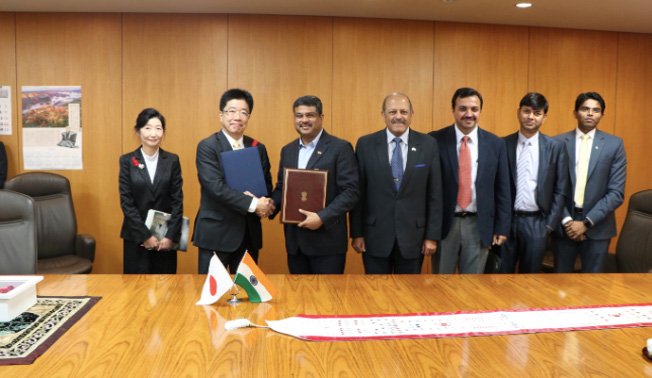
MSDE Minister Shri Dharmendra Pradhan and Mr. Katsunobu Kato after signing MoC
Eligibility Criteria
- Age: 18–28 years (varies slightly by sector)
- Education: Minimum completion of Class 12 / High School; vocational training preferred for certain roles
- Language: Basic Japanese (JLPT N5 or NAT-TEST Q5 and above)
- Health: Medically fit, free from infectious diseases, no visible tattoos
- Compliance Awareness: Understanding of training plan, work rules, and legal rights
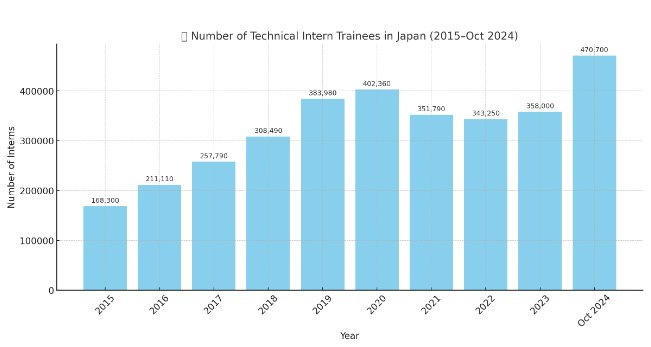
Number of technical Intern Trainees in Japan as of Oct 2024
Key Sectors
TITP focuses on industries with labor shortages in Japan, including:
- Agriculture & Farming
- Construction
- Manufacturing (Metalwork, Machinery, Electronics)
- Food Processing
- Textiles & Garments
- Automobile Maintenance
- Caregiving / Nursing
- Fishing & Aquaculture
- Hospitality (limited roles)
- Environmental & Waste Management
Benefits for Trainees
- Skill Development: Hands-on experience with technical skills
- Income Opportunity: Receive stipend during training
- Cultural Exposure: Learn Japanese work ethics, communication, and lifestyle
- Certification: Gain recognized credentials enhancing employability
- Career Growth: Skills applicable in India or pathways to SSW programs
- Social Security: Health insurance during training and welfare pension after completion
Program Duration & Structure
- Duration: 3–5 years depending on the sector
- Pre-Departure Preparation: Language training, cultural orientation, and compliance briefings
- On-Job Training: Practical skill acquisition under supervision in Japanese industries
- Post-Training Opportunities: Career progression, SSW eligibility, or application of skills back home